In the present fast-paced digital economy, organizers need effective, scalable, and easy-to-use ticketing solutions to facilitate ticket sales and engagement with their audience. The WeChat event ticketing mini program is one of the most powerful innovations in this space, as it completely reforms how events are promoted, sold, and managed internally within China’s largest super-app ecosystem.
This solution is built in the WeChat ecosystem; no app stores are needed to install the app separately; users can find tickets through WeChat, pay, and use it without hassle. This technology is a game-changer for businesses targeting Chinese audiences or running events at scale.
Business Advantages of WeChat Event Ticketing Mini Program
An event ticketing mini program within WeChat has a more practical advantage of being able to streamline the entire event life cycle from promotion through entry. Organizers can now do everything in one place within WeChat, rather than using various tools or platforms.
For businesses, lower operational costs and increased conversions. Users do not have to download any extra apps, so it vastly reduces the friction in ticket purchase. This has a direct positive impact on sales and audience engagement.
At the reuse of this event ticketing mini program, Chris’ niece indicates this platform can make great use of the WeChat user database – more than a billion active users on the system. This provides even limited-scale event organizers access to a large pool of potential attendees without expensive marketing efforts.
One of the major benefits is real-time data tracking. Businesses track sales of tickets, behaviors, and attendance patterns for users that help them to improve those events more precisely.
Highlight Of WeChat Event Ticketing Mini Program:
The WeChat event ticketing mini program offers a variety of features that help you manage your events more effectively and provide a good user experience.
Integrated ticket sales, with WeChat payment, is one of the core functions. With this, you have an instant ticket-buying process in which users won’t leave the platform, as everything is seamless and secure. The frictionless payment system is one of the primary drivers behind its widespread usage.
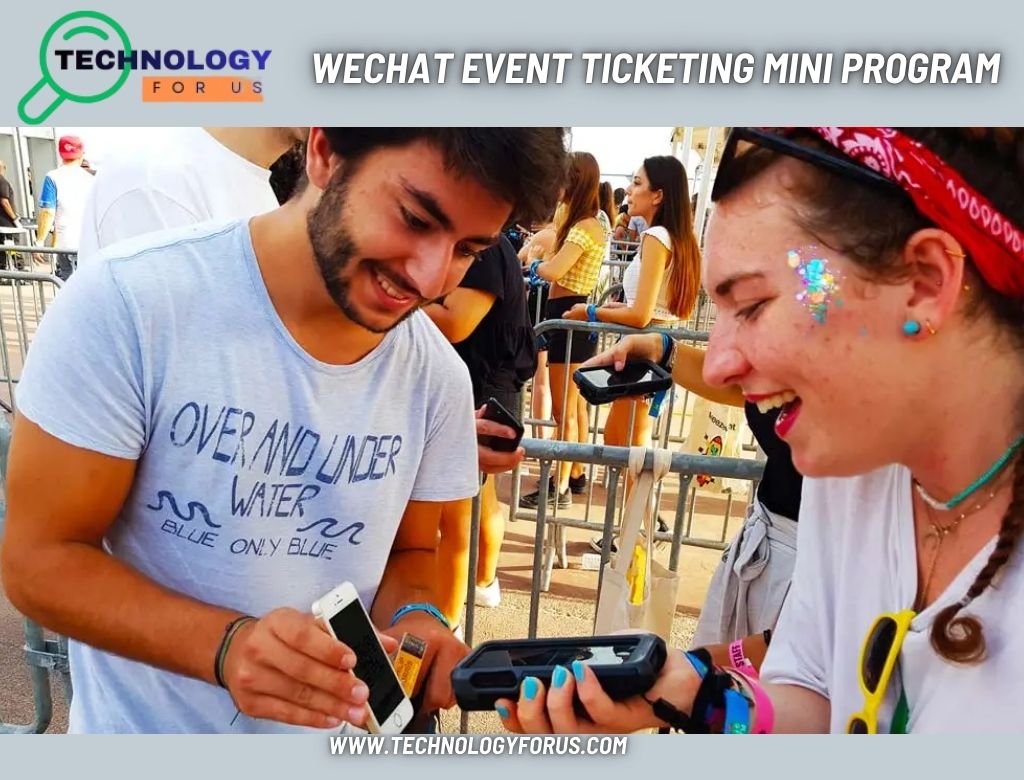
One of the biggest features is the entry via QR code. Upon buying a ticket, users are sent a QR Code which can be scanned at the event location. That means no more paper tickets, less fraud, and quick check-in.
We also provide support for dynamic event pages, embedded into the organizer’s mini program to display schedules, speaker profiles, images, and videos. However, such pages are easy to share amongst chats and groups and WeChat Moments, creating organic exposure.
Moreover, automated notifications and reminders remind attendees about event updates, changes in the schedule, or special offers. This facilitates better communication and improves attendance rates.
Future Of Ticketing In Digital Events: WeChat Mini Program
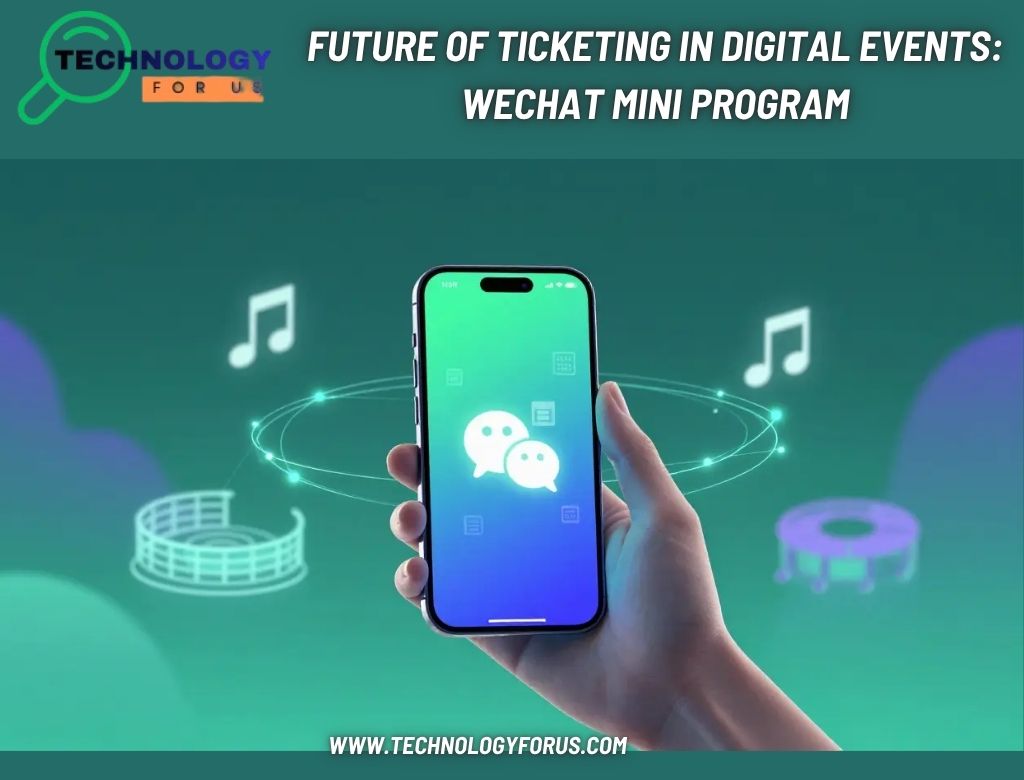
The future of WeChat event ticketing mini program is definitely very bright as we see more businesses across industries implementing digital-first strategies towards event management. As the WeChat Ecosystem continues to be updated, these mini programs will become smarter and more embedded with features.
AI is one of the biggest trends in your data-driven app development, seeming to be. AI can personalize event recommendations to individuals based on past behavior and interests, thereby making ticket marketing more efficient. This will give the organizers a more accurate scope of targeting the right audience.
A further future development is to make event operations increasingly automatic. The WeChat event ticketing mini program will further minimise manual workload while increasing accuracy, from smart check-ins based on facial recognition to real-time analytics of crowds.
Plus, tighter integration with social commerce features will make the events easier to spread virally. This means users can share, recommend, and even resell tickets amongst the network of peers — creating an interactive ecosystem.
This tool will be integral to the way events are structured, marketed, and enjoyed around the world, especially as digital transformation continues to accelerate.
Why is this important to modern events management?
In event management, organizers no longer limit it to ticket selling. They now create fluidity and build a frictionless path from discovery to post-event stimulation. One of the important components that helps achieve this is shifting your marketing, sales, analytics, and communication to one mini program in WeChat event ticketing.
For event organizers, it means less peripheral tech to wrangle and more time spent creating attendee value. For users, it means an experience that is faster, simpler, and more connected.
Conclusion:
Mini programs in WeChat have disrupted the event space. Providing one place for ticketing, communication, and engagement represents the future of how these systems can work together, saving businesses time and providing a better user experience. As digital ecosystems continue to evolve over time and further reduce the scope of event management across the nation, businesses must stay ahead of global competition and emerging trends.
Frequently Asked Questions:
Q1: When do you need a WeChat event ticketing mini program?
A: Tickets are hosted entirely within WeChat, where event organizers can manage their promotion, sales, registration, and check-in process. All in one platform without needing a separate ticketing app.
Q2: Does it need to be downloaded as a different app for users to use it?
A: No, everything is working within WeChat, so it is super handy and accessible.
Q3: How can I make payments in these mini programs?
A: Payment is carried out in WeChat Pay, so it is processed quickly and securely.
Q4: Will you be able to track the results of events?
A: Yes, the organizers can track ticket sales, user interaction, and attendance data in real-time.
Q5: Is it good for small events or only big ones?
A: Designed for scalability, with a low operational cost, making it suitable for both small and large events.