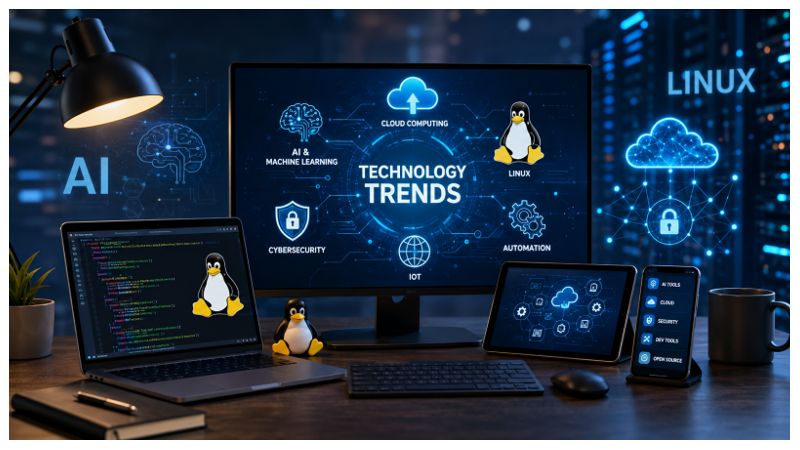
Technology continues to change rapidly, affecting how people work, communicate, learn, create, and manage information. New software, computing systems, security methods, and connected devices appear regularly, making it important to understand the direction in which technology is moving. Trends PBLinuxTech can be viewed as a broad topic covering modern technology developments, Linux advancements, software innovation, cybersecurity, cloud computing, and emerging digital tools.
Keeping up with these areas does not mean learning every new technology immediately. Instead, it means understanding important developments and recognizing which ones may be useful for personal, educational, or professional needs.
What Are Trends PBLinuxTech?
Trends PBLinuxTech refers to technology trends associated with modern computing and digital development, particularly areas involving Linux, open-source software, programming, cybersecurity, cloud systems, and emerging technologies.
The topic can help readers understand how computing environments are changing and why certain technologies are becoming increasingly important.
Why Technology Trends Matter
Technology trends influence the tools people use every day. Businesses depend on cloud platforms, developers use modern frameworks, and individuals interact with smart devices and online services.
Understanding these changes can help users make better technology decisions and avoid becoming dependent on outdated systems.
Understanding Modern Technology Changes
Modern technology develops through improvements in hardware, software, connectivity, automation, and data management. A development that begins as a specialized solution can eventually become common in everyday computing.
Learning about these changes provides useful context for understanding why software and digital services continue to evolve.
Importance of Staying Updated
Staying updated helps users recognize security risks, discover useful tools, and understand changes in software compatibility. It can also help professionals maintain relevant skills.
Regular learning is generally more practical than trying to understand every technology at once.
Latest Technology Trends
Artificial Intelligence and Machine Learning
Artificial intelligence and machine learning continue to influence software development, automation, data analysis, search systems, and digital assistants.
Cloud Computing
Cloud computing allows applications, storage, and computing resources to be accessed through internet-connected infrastructure. Instead of relying entirely on local hardware, users can access services remotely.
Cloud technology supports collaboration, online applications, backup systems, and many business operations.
Cybersecurity Developments
As digital systems become more connected, cybersecurity remains essential. Modern security efforts focus on authentication, encryption, threat detection, access management, and continuous monitoring.
Security technology must evolve because attackers also develop new methods of targeting systems.
Internet of Things
The Internet of Things connects physical devices to networks so they can collect, exchange, or respond to information. Smart appliances, sensors, watches, and industrial equipment are examples.
IoT can improve automation but also creates additional security and privacy considerations.
Automation and Smart Technology
Automation allows software and machines to perform repetitive activities with limited human intervention. Smart technology combines automation with sensors, software, connectivity, and data.
These developments can improve efficiency when implemented carefully.
Linux Technology Trends
Growth of Linux Platforms
Linux remains an important operating system family across servers, development environments, cloud infrastructure, embedded systems, and other computing applications. Its adaptable design and open-source structure allow developers and organizations to tailor it to a wide range of technical needs.
Modern Linux Distributions
Linux distributions package the Linux kernel with software, tools, package managers, and desktop environments. Each Linux distribution is tailored to serve particular needs, workloads, and user preferences.
Some emphasize ease of use, while others focus on servers, security, lightweight computing, or development.
Linux for Developers
Linux provides developers with powerful command-line tools, programming environments, package managers, containers, and automation capabilities.
Many development workflows can be customized extensively, making Linux attractive for programmers who want control over their working environment.
Linux in Business and Enterprise
Organizations use Linux for servers, cloud infrastructure, databases, networking, and specialized systems. Its flexibility can make it suitable for large-scale environments.
Enterprise Linux solutions may also provide professional support, security updates, management tools, and long-term maintenance.
Open-Source Software Development
Open-source software gives developers the freedom to inspect, adapt, and share code within the terms of its license. It also brings developers and organizations from around the world together to exchange knowledge, contribute improvements, and build better projects collaboratively.
Open-source projects can develop quickly because contributors can identify problems, suggest improvements, and create new features.
PBLinuxTech and Software Innovation
Modern Software Tools
Modern software development uses a wide range of tools for coding, testing, deployment, monitoring, and collaboration.
Development environments increasingly integrate automation, version control, containers, cloud services, and AI-assisted features.
Open-Source Applications
Open-source applications provide alternatives to proprietary software in many categories. Users can find open-source tools for development, productivity, communication, media, security, and server management.
The quality and support of individual projects can vary, so users should evaluate software carefully.
Developer Technologies
Developers increasingly work with APIs, containers, databases, cloud platforms, frameworks, and automated deployment systems.
These technologies help teams create applications that can communicate with other services and scale more effectively.
Software Performance Improvements
Performance remains an important development goal. Developers optimize applications by improving algorithms, reducing unnecessary processing, managing memory effectively, and using efficient infrastructure.
Performance improvements can result in faster applications and better resource utilization.
Emerging Digital Technologies
AI-Powered Tools
AI-powered applications can assist with writing, coding, research, image generation, data analysis, and other activities.
The most effective use of these tools involves human review because AI-generated results can contain errors or incomplete information.
Edge Computing
Edge computing processes data closer to where it is generated instead of sending everything to a distant cloud server.
This approach can reduce latency and may be useful for connected devices, industrial systems, and applications requiring rapid responses.
Blockchain Technology
Blockchain uses distributed records to maintain information across multiple systems. It has been explored for digital assets, verification, supply chains, and other applications.
Its usefulness depends on the specific problem being solved, and not every digital application requires blockchain technology.
Advanced Networking
Networking continues to improve through faster wireless connections, better routing, virtualization, and software-defined infrastructure.
Reliable networks are increasingly important because modern applications depend heavily on continuous connectivity.
Internet-Based Services
Web-based services allow users to access software, communication tools, storage, entertainment, and business systems through connected devices.
This shift has made internet connectivity an important part of modern computing.
Cybersecurity and Technology Trends
Protecting Digital Systems
Digital protection involves multiple layers, including secure passwords, authentication, software updates, encryption, access controls, and monitoring.
No single security measure is enough for every environment.
Common Online Security Risks
Phishing, malware, weak passwords, unauthorized access, insecure software, and data exposure remain common risks.
Users should remain cautious when opening unexpected attachments, clicking unfamiliar links, or providing personal information.
Security Software Developments
Modern security software increasingly uses automated monitoring and behavioral analysis to identify suspicious activity.
Security tools can help detect threats, but they work best when combined with sensible user practices and regular updates.
Data Privacy
Data privacy concerns how personal and organizational information is collected, stored, processed, and shared.
Users should understand what information applications request and review privacy settings when available.
Safe Computing Practices
Keeping software updated, using strong passwords, enabling multi-factor authentication, and maintaining backups are basic but valuable security practices.
Regularly reviewing account activity can also help identify unusual behavior.
Cloud and Computing Trends
Cloud-Based Applications
Cloud applications provide software through internet-connected services. They can simplify collaboration because multiple users may access shared resources.
However, cloud systems still require proper account security and access management.
Remote Computing
Remote computing allows users to access computing resources from different locations. This is useful for remote work, administration, development, and centralized infrastructure.
Secure authentication is particularly important when systems can be accessed remotely.
Cloud Storage
Cloud storage allows files to be stored on remote infrastructure and accessed through connected devices.
It can provide convenient synchronization and backup options, although important information should still be protected with appropriate security measures.
Serverless Technology
Serverless computing allows developers to run application functions without directly managing traditional server infrastructure.
It can simplify deployment for certain workloads and allow resources to scale according to demand.
Future Cloud Developments
Future cloud systems are likely to focus on automation, stronger security, efficient resource management, AI integration, and improved performance.
Hybrid and multi-cloud approaches may also remain important for organizations with complex infrastructure requirements.
Technology Trends for Developers
Programming Languages
Programming languages continue to evolve as developers require better performance, security, portability, and productivity.
Languages may become popular for particular areas such as web development, systems programming, mobile applications, or data science.
Development Frameworks
Frameworks provide reusable structures and tools that help developers build applications more efficiently.
Choosing a framework depends on factors such as project requirements, community support, performance, and long-term maintenance.
APIs and Integrations
Application programming interfaces allow different applications to exchange information and functionality.
APIs are essential for modern software ecosystems because applications rarely operate completely independently.
Development Automation
Automation can handle tasks such as testing, building, deployment, and monitoring.
Automated workflows can reduce repetitive work and help teams identify problems earlier.
Open-Source Developer Tools
Developers have access to many open-source editors, libraries, databases, command-line utilities, and development frameworks.
These resources can reduce costs while providing flexible options for building software.
Benefits of Following Technology Trends
Improving Digital Skills
Learning about new technologies can gradually improve digital knowledge. Users become more comfortable evaluating software, platforms, and technical concepts.
Choosing Better Software
Technology awareness helps people compare tools according to features, security, compatibility, and long-term usefulness.
Increasing Productivity
The right technology can automate repetitive tasks and make communication, organization, and information management more efficient.
Understanding New Technologies
Technology trends provide context for developments that might otherwise seem complicated. Understanding basic concepts makes it easier to decide whether a new tool is genuinely useful.
Technology Trends in Everyday Life
Smart Devices
Smartphones, watches, televisions, appliances, and other connected devices demonstrate how technology is becoming integrated into everyday environments.
Digital Communication
Messaging platforms, video conferencing, email, and social networks allow people to communicate quickly across long distances.
Online Services
Banking, shopping, education, government services, and entertainment increasingly use online platforms.
Home Technology
Smart lighting, security systems, thermostats, and connected appliances can automate household activities.
Entertainment Technology
Streaming services, gaming platforms, virtual experiences, and digital media have transformed how people consume entertainment.
Challenges of Modern Technology Trends
Rapid Technology Changes
Technology can change faster than users can learn it. Constant changes can make some skills or software outdated quickly.
Security Concerns
Greater connectivity creates more opportunities for security problems. Every connected device or account needs appropriate protection.
Learning New Tools
New applications often require time and practice. Users should focus on technologies relevant to their actual goals rather than attempting to learn everything.
Compatibility Issues
New software may not work with older operating systems, hardware, or applications. Checking requirements before upgrading can prevent unnecessary problems.
Managing Technology Costs
Technology can involve hardware purchases, subscriptions, maintenance, training, and support expenses.
Comparing long-term costs is often more useful than focusing only on the initial price.
How to Stay Updated With Technology
Following Reliable Tech News
Readers can follow reputable technology publications, official documentation, developer announcements, and industry reports.
Comparing information from multiple reliable sources can provide a more balanced understanding.
Exploring New Software
Trying software in a controlled environment can help users understand its practical value.
It is wise to review security, privacy, compatibility, and licensing information before adopting unfamiliar software.
Learning Linux Technologies
Linux users can improve their knowledge through documentation, tutorials, practical projects, command-line exercises, and open-source communities.
Hands-on practice is often one of the best ways to understand Linux concepts.
Joining Technology Communities
Technology communities can provide discussions, troubleshooting advice, project ideas, and learning opportunities.
Users should still verify technical recommendations before applying them to important systems.
Developing Digital Skills
Continuous learning can include programming, cybersecurity awareness, cloud computing, Linux administration, data management, or basic troubleshooting.
Small, consistent improvements can build useful technical knowledge over time.
Future Trends PBLinuxTech
Artificial Intelligence Growth
AI is expected to remain an important part of software and computing. Developers may increasingly use AI for automation, coding assistance, analysis, and system management.
Smarter Software Solutions
Software will likely become more automated and context-aware. Applications may increasingly adjust their behavior based on user requirements and available data.
Advanced Linux Technologies
Linux is likely to remain important in servers, cloud infrastructure, containers, embedded devices, development, and other specialized environments.
Continued improvements in security, performance, hardware support, and management tools can strengthen its role.
Open-Source Innovation
Open-source communities will continue contributing to software development. Collaboration can produce new libraries, applications, development tools, and infrastructure projects.
Future Digital Developments
Future technology will likely combine AI, cloud computing, connected devices, automation, advanced networking, and stronger security.
The biggest changes may come not from one technology alone but from how multiple technologies work together.
Conclusion
Key Trends to Remember
Trends PBLinuxTech covers a wide range of developments, including artificial intelligence, Linux, cloud computing, cybersecurity, automation, open-source software, networking, and digital services.
Understanding these areas can help users make informed decisions about technology.
Importance of Technology Awareness
Technology awareness is useful for students, professionals, developers, businesses, and everyday users. It helps people recognize opportunities while also understanding potential security, privacy, compatibility, and cost concerns.
Preparing for Future Technology
Preparation does not require mastering every new development. Instead, users can build strong fundamentals, stay curious, follow reliable information, and learn technologies that match their goals.
Final Thoughts on Trends PBLinuxTech
Technology will continue to change, and Linux and open-source development will remain important parts of the broader computing landscape. From AI and cloud systems to cybersecurity and smart devices, new developments will continue influencing digital life.