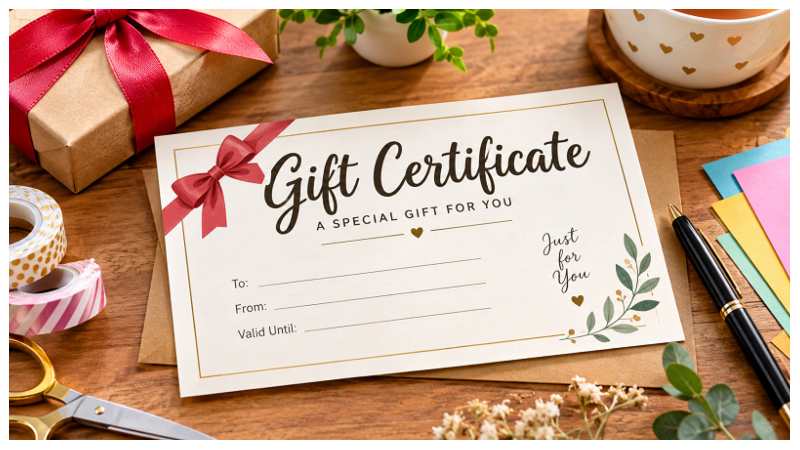
Finding a present that feels personal can sometimes be harder than expected. Everyone has different interests, preferences, and lifestyles, making it difficult to choose something that will genuinely be appreciated. A personalized certificate offers a practical solution because it can give someone access to an experience, service, meal, activity, or shopping opportunity they can enjoy.
Unlike an ordinary present, a certificate can combine flexibility with creativity. When designed thoughtfully, it can communicate appreciation and make an occasion feel more special. The design does not need to be complicated. A clear layout, attractive colors, suitable wording, and personal details can make a significant difference.
1. Begin With the Occasion
The first step is to identify why you are creating the certificate. It could be for a birthday, wedding, anniversary, holiday, graduation, employee recognition, customer appreciation, or simple thank-you gesture.
The occasion can help determine the visual style. A birthday certificate may benefit from cheerful graphics and lively colors, while a professional reward might look better with a clean and elegant design.
Choosing the style according to the occasion creates a stronger connection between the certificate and the event.
2. Decide on the Gift
Next, determine exactly what the recipient will receive. A certificate could offer a specific service, meal, class, activity, shopping amount, or memorable experience.
Consider the recipient’s interests before making your choice. Someone who enjoys food might appreciate a dining experience, while another person may prefer entertainment, travel-related activities, or personal services.
The more relevant the gift is to the recipient, the more thoughtful the overall gesture will feel.
3. Organize the Design
A gift certificate maker can provide a convenient way to arrange the heading, recipient’s name, gift description, and other important details. Starting with an organized structure can save time and help create a polished appearance.
Keep the layout simple enough that the main information can be understood quickly. The certificate title should stand out, while the recipient’s name and gift details should remain easy to locate.
Avoid filling every available space with decorations. Leaving some empty space can make the certificate appear cleaner and more professional.
4. Select Colors Carefully
Color can influence the mood and personality of a certificate. Bright shades can make a design feel energetic, while softer or neutral colors may create a more elegant impression.
Choose colors that complement one another and use them consistently. A limited color palette often produces a more professional result than using many unrelated shades.
You can also select colors that match the occasion or the recipient’s personality.
5. Pay Attention to Typography
The fonts you choose should support readability. A decorative font can make a heading attractive, but important information should generally use simple, clear lettering.
Names, values, dates, expiration information, and redemption instructions should be easy to read. Using too many different fonts can make the design appear cluttered, so consistency is usually the better approach.
6. Add a Personal Message
A short personalized message can make the certificate feel more meaningful. Include the recipient’s name and explain the reason for the gift in a warm and genuine way.
You might include congratulations, appreciation, encouragement, or good wishes. A few carefully chosen words can make the difference between a generic certificate and something that feels specially created for one person.
7. Include Essential Information
Make sure the certificate contains all necessary details. Depending on its purpose, this may include the gift value, issuing person’s or business’s name, expiration date, redemption instructions, contact details, and any applicable terms.
Present this information clearly so the recipient knows exactly how to use the certificate.
8. Review Before Sharing
Before printing or sending the certificate digitally, proofread everything carefully. Check the recipient’s name, dates, numbers, spelling, and redemption details.
Also review the final appearance. Make sure important text is not too small and that decorative elements do not make information difficult to read.
Conclusion
A personalized certificate can be a simple yet meaningful alternative to a traditional present. By considering the occasion, choosing a suitable gift, creating a balanced design, and adding personal details, you can make the final result feel thoughtful and unique.
The best certificate designs are attractive without being overwhelming and personal without sacrificing clarity. With careful planning, even a simple certificate can become a memorable part of someone’s special day.